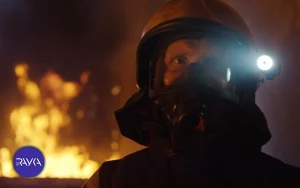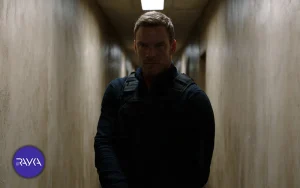

Creating a war film with AI involves much more than generating explosions and battlefields. The real challenge lies in bringing scenes to life, where every movement, camera angle, and visual detail plays a role in making the action believable.
In the international war film project The Story After the Massacre, Raykamah Advertising Agency contributed to the creation of this cinematic world through storyboard design and AI-powered scene production.
This teaser offers a glimpse into the results of this collaboration, demonstrating that impressive cinematic visuals rely on more than technology alone. A strong idea, careful planning, and an artistic vision are equally essential to bringing a film to life.
In a war film, every shot must serve a clear purpose within the visual narrative—from camera angles and frame composition to shot sequence and the way characters are portrayed on the battlefield. Storyboard design helps establish the visual direction of each scene before production begins, giving the film’s concept a more coherent structure.
This becomes even more important in AI filmmaking, where creating striking visuals alone is not enough. Shots must remain visually consistent and work together to build the intended cinematic atmosphere. For the international project The Story After the Massacre, Raykamah was involved not only in producing AI-generated film scenes but also in AI storyboard design, an essential part of preparing and guiding the visual direction of projects like this.
Creating war scenes with AI goes far beyond generating a few dramatic images. To make the final result look convincing and cinematic, multiple elements must be carefully controlled:
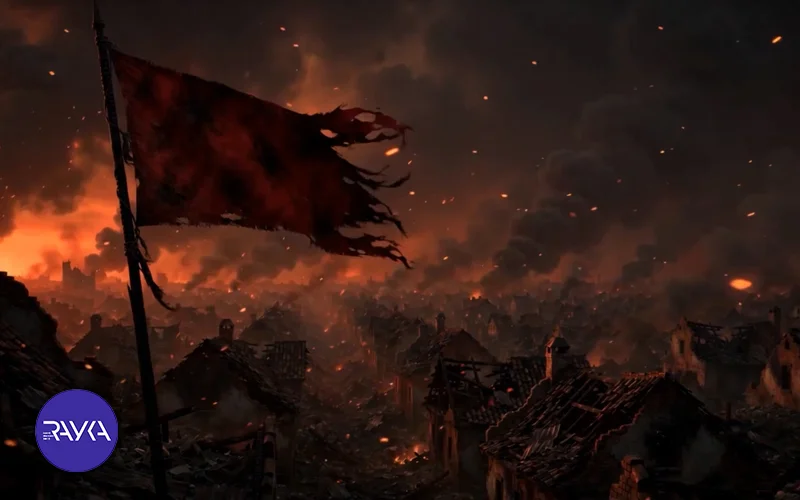
Creating AI-generated war scenes requires more than producing striking visuals. It involves a process that spans idea development, visual planning, scene creation, and bringing individual shots together in the final edit. In the international project The Story After the Massacre, Raykamah drew on its visual production experience and artistic vision to contribute to storyboard design and AI-powered scene production.
Every compelling image should serve a clear idea. When creating cinematic scenes with AI, understanding the narrative’s atmosphere and defining what each scene should communicate to the audience help establish a purposeful visual direction. This approach provides a starting point for transforming an idea into images that become more meaningful when brought together.
Storyboarding helps establish the visual structure of scenes before image production begins. Camera angles, composition, the placement of visual elements, and shot sequences are all important considerations. In a project featuring war scenes, this visual planning helps guide production more effectively and maintain consistency across shots.
Creating AI-generated war scenes requires precise control over visual details. From designing the battlefield environment and military equipment to generating images and turning them into moving shots, every output must align with the project’s visual objectives. AI tools become more valuable when used alongside an understanding of their limitations and carefully considered visual decisions.
Images and shots achieve their cinematic impact when they connect effectively. Editing helps create a more cohesive viewing experience by refining shot order, pacing, and visual continuity. In AI video production, this stage is particularly important because the final result depends not only on the quality of individual images but also on how they work together.
At Raykamah, AI is a tool for creating visuals, not a replacement for artistic vision. Deciding what emotion a shot should convey, which composition works best, and which details make a scene more believable requires creative judgment and human decision-making. This artistic vision guides AI-generated outputs, helping transform a collection of individual images into part of a unified cinematic experience.
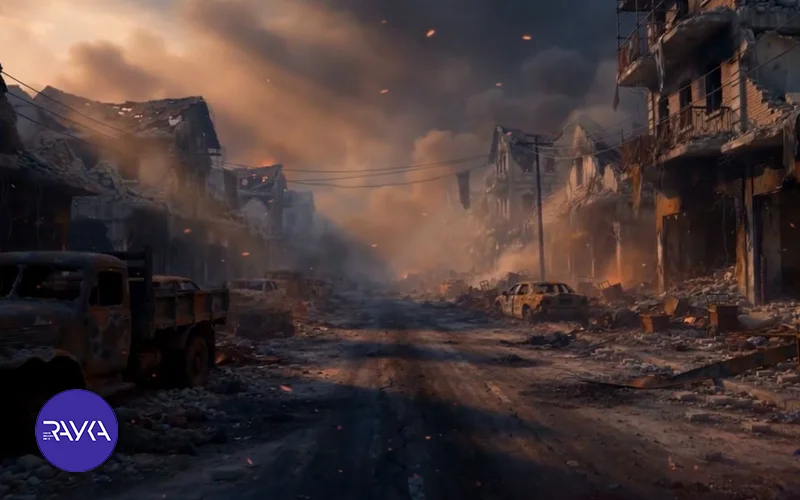
The war film The Story After the Massacre brings together a team of film professionals for an international project. Raykamah Advertising Agency contributed to the project through storyboard design and AI-generated scene production.
Main Film Credits:
This collaboration showcases Raykamah’s expertise in visual design and AI-powered cinematic scene production as part of an international film project.
Artificial intelligence is opening up new possibilities for creating cinematic scenes, from recreating complex environments to bringing demanding visual concepts to life with precision and careful planning. However, achieving striking results depends on more than choosing the right tool or writing a prompt. The idea defines the direction, the storyboard gives the visuals structure, and art direction gives each shot its own identity.
The international project The Story After the Massacre reflects Raykamah’s experience using AI to create war scenes. It demonstrates how technology can contribute to compelling cinematic imagery when guided by human creativity. At Raykamah, the production process begins with more than simply generating images; it starts with finding the right way to transform an idea into a purposeful visual narrative.
Creating a film, teaser, or distinctive visual story doesn’t always mean following familiar paths. Sometimes, a unique idea, combined with thoughtful storyboard design and the right production approach, can become a truly cinematic experience.
At Raykamah Advertising Agency, we explore ideas, design storyboards, and produce AI-generated images and videos tailored to your project’s goals and needs. If you have an idea in mind and want to discover how it could be brought to life, share it with us. We’ll discuss the most suitable production approach and explore how it could be realized.
Share your idea with Raykamah. Your next creative collaboration could start right here.