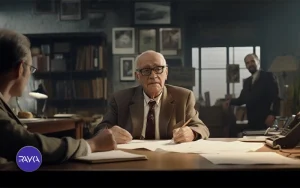

The History of Motorcycles in Iran documentary is an innovative approach to historical storytelling, exploring the arrival and development of motorcycles in Iran. Created entirely with artificial intelligence, the documentary not only presents accurate historical information but also takes audiences on a journey through Iran’s past with AI-reconstructed visuals and engaging storytelling.
The goal of this documentary is to present the history of motorcycles in Iran in a modern and visually compelling way, making it accessible and enjoyable for both history enthusiasts and general audiences.
The History of Motorcycles in Iran documentary was commissioned by Nikran Motor to tell the story of the arrival and development of motorcycles in Iran in a professional and visually engaging way.
The project provided an opportunity to introduce audiences to the history of motorcycles in Iran while offering an engaging and educational viewing experience.
Producing the History of Motorcycles in Iran documentary was a professional, multi-stage process, with each stage carried out with careful planning and creative direction. Below are the key stages of the documentary’s production.
Historical Research and Information Gathering
At this stage, historical sources including photographs, footage, and oral accounts related to the arrival of motorcycles in Iran were collected and reviewed. The goal was to establish an accurate and reliable foundation for the documentary’s narrative.
Scriptwriting and Narrative Development
After gathering the historical information, the documentary’s script and narrative were developed with a focus on both historical accuracy and visual engagement. This ensured that audiences could follow the story while experiencing the reconstructed visuals.
AI-Powered Visualization and Scene Reconstruction
Artificial intelligence made it possible to recreate historical scenes and imagery. Detailed reconstruction of historical environments and motorcycles helped create a more immersive and realistic experience for the audience.
Editing and Audio-Visual Synchronization
The visuals, music, and voice-over narration were carefully combined to create an engaging audiovisual experience. This stage gave the documentary its professional rhythm, structure, and visual identity.
Final Review and Refinement
After editing, the documentary underwent several rounds of review to ensure historical accuracy, visual quality, and a smooth narrative flow. These final refinements prepared the History of Motorcycles in Iran documentary for publication and presentation to its audience.

The History of Motorcycles in Iran documentary is more than a simple historical account. By combining artificial intelligence technology with a strong focus on audience experience, the project offers distinctive features that set it apart from conventional documentaries.
One of the biggest challenges of the project was the limited availability of visual and documentary sources from the early years of motorcycles entering Iran. By leveraging artificial intelligence, the documentary was able to reconstruct historical scenes and imagery, creating a more immersive and realistic experience for the audience. This project demonstrates the potential of AI technology to create engaging and informative historical content.
Every story deserves to be told whether it is the history of a brand, the evolution of a product, or a significant historical event. With artificial intelligence, it is possible to create creative, informative, and engaging content that captures the audience’s attention from the very beginning.
Historical scene reconstruction, professional visual design, and carefully crafted narration can transform a story into a unique documentary or historical video. Projects such as the History of Motorcycles in Iran documentary demonstrate the power of this technology to create compelling and impactful visual content.
You can bring your own history and story to life with the same level of creativity and visual appeal, creating an experience that remains memorable for your audience.