
The International Day of Older Persons is more than just a date on the calendar; it is an opportunity to pause and see the people who have spent so many years building, caring, and being there for others.
This AI-generated video for the International Day of Older Persons offers a brief, human and thought-provoking look at some of the realities and challenges faced by older people in Iran. Rather than delivering a conventional celebratory message, it raises a question for the audience: Should loneliness, worry, and being forgotten really be part of growing old?
The International Day of Older Persons can be an occasion for celebration, but it can also mean something more: an opportunity to look at the lives of older people who are sometimes overlooked amid the concerns of everyday life. This video grew out of that perspective—to move beyond a conventional commemorative piece and tell a story about some of the realities and challenges faced by older people in Iran.
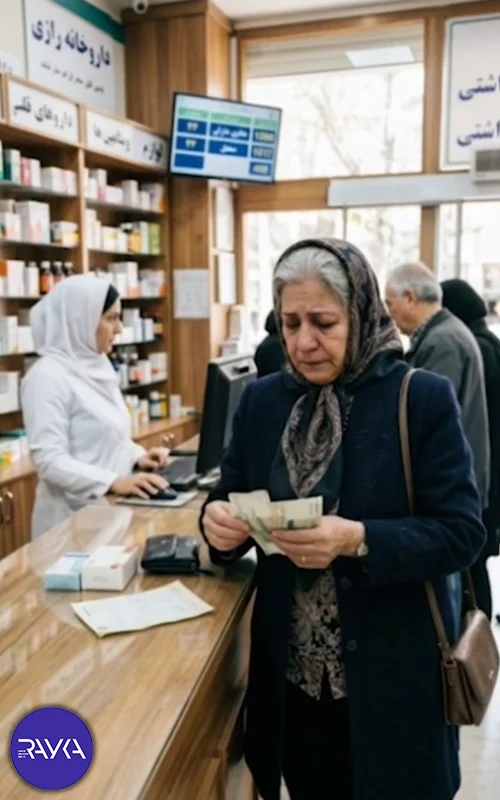
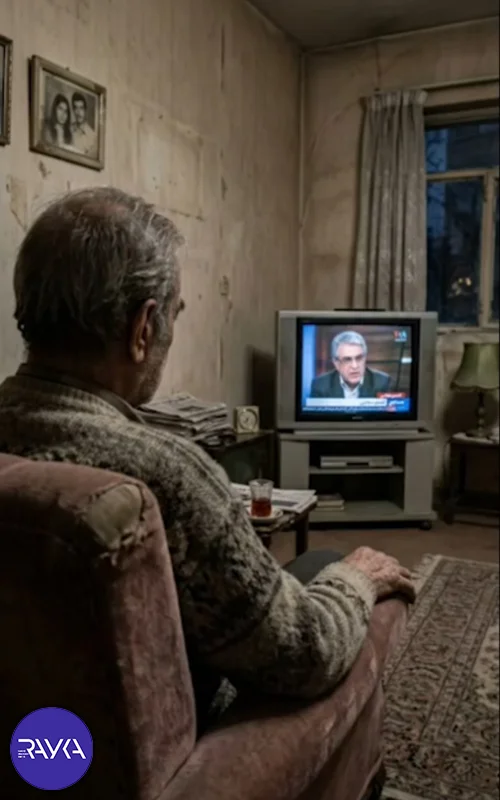
We often associate old age with peace, family, security, and the quieter years that follow a lifetime of hard work. But this is not the reality for everyone. Illness, financial concerns, loneliness, and being separated from children can turn years that should be spent in peace into a time marked by worry and waiting.
With this video, Raykamah sought to portray this contrast through visuals rather than relying on a direct or overly slogan-driven message. The story invites viewers to look, pause, and reflect. AI was used in service of this idea, helping us create a visual world that reflects the emotional tone of the story and turn a social concern into something tangible and visual.
Ultimately, the entire story leads to one sentence the core message of the video:
“We know this shouldn’t be your share.”
This video is dedicated to the older people of Iran, with the hope that old age can be a time of peace, dignity, and security not loneliness and worry.
In this project, AI was not the starting point of the idea; it was a tool for bringing the idea to life and turning a social concern into a visual story. Before choosing any image-generation tools, we first needed to define what we wanted to say, how we wanted to tell it, and what emotions we wanted the audience to experience. That is why the production process began with the idea and narrative, with AI then becoming part of different stages of the production.
The production process involved several stages, each playing a specific role in shaping the final piece:
Throughout the process, AI did not replace the idea, narrative, or direction; it served them. At Raykamah, our approach to projects like this is to combine human perspective and creativity with the capabilities of AI tools: first deciding what we want to say, and then using technology to find a powerful visual way to express it.
When addressing a social issue, the message does not always need to be stated directly. Sometimes a single image can say more than several sentences: the silence of a character, a gaze fixed on a distant point, or a setting that brings part of a reality before the audience without a single word of dialogue.
In this video, we chose to let the story unfold through visuals rather than create a conventional commemorative message. The audience encounters situations that may seem simple at first, but when viewed together, they create a different picture of old age—one that reveals a significant gap between what we expect the later years of life to look like and what some older people actually experience.
The video is not meant to tell the audience how they should feel. The images simply create an opportunity to see, pause, and reflect. In a story like this, even silence becomes part of the message, and the final line gains its meaning because the audience has already witnessed part of this reality before hearing it.
“We know this shouldn’t be your share.”
Perhaps that is all this video is trying to say not as a slogan, but as a sentence that takes on a different meaning after the images have been seen.
Sometimes, a single sentence can bring an entire story together. At the end of this video, the audience is not meant to simply pass by the International Day of Older Persons with another conventional greeting. Instead, the final message offers a moment to pause and reflect on what kind of life older people truly deserve.
Illness, worry, loneliness, or being separated from loved ones may be part of the reality some older people face. But the fact that these circumstances exist does not mean they should become accepted as normal. This is where the message of the video begins: with the possibility of imagining a future in which the later years of life can be lived with greater peace, dignity, and companionship.
“We know this shouldn’t be your share.
Dedicated to the older people of Iran on the International Day of Older Persons,
with hope for a better tomorrow for our Iran.”
This video was shaped from the beginning with a narrative and socially conscious approach, with every stage of production designed to keep the tools and techniques in service of the story’s central message. From developing the idea to generating the visuals and completing the final edit, the entire production process was designed and carried out by the Raykamah team.
The core idea and narrative were developed at Raykamah. Rather than creating a conventional commemorative piece, the story was designed to draw the audience’s attention to some of the concerns and challenges faced by older people in Iran.
The visual language of the piece was developed around the social and emotional tone of the story. The settings, characters, and atmosphere of each scene were carefully selected to create a cohesive visual language that remained aligned with the message of the video.
The required images and scenes were generated using AI tools. At this stage, the goal was not simply to create realistic visuals; every image needed to move the story forward while remaining consistent with the overall atmosphere and visual direction of the piece.
The generated scenes were brought together during the editing process, shaping the final rhythm of the narrative. The sequence of the visuals, timing of each scene, and synchronization with the voiceover were carefully arranged to create a cohesive emotional journey.
The voiceover was designed and produced to match the narrative tone and central message of the piece. Together with the visuals, it helps move the story toward its final line and core message without relying on unnecessary explanation.
The value of an AI-generated video is not defined solely by its visual originality or the technology used to create it. The starting point is still the idea, understanding the audience, the narrative, and the choice of the right visual language.
In this project, AI was a tool for turning a social concern into a visual story. It helped bring the idea to life rather than replacing the idea or human creativity behind it. When technology serves the story, it can help create videos that are not only visually engaging but also have something meaningful to say.
Not every idea has to become just another advertisement. Sometimes, a concern, a message, or a different perspective can be the starting point for a visual story.
At Raykamah, we take the time to understand the idea, find the right narrative for it, and bring it to life through a combination of human creativity and AI. If you have something to say, Raykamah can help turn it into a visual story.