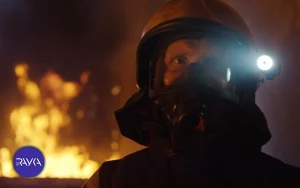

The Chase short film demo created with AI is one of Raykamah’s experiments in exploring the emerging possibilities of artificial intelligence in filmmaking. In this project, AI capabilities were used to develop a cinematic experience with an action-driven atmosphere, exploring how visual ideas can be brought to life; from designing and shaping a story world to producing cinematic shots; through an approach that goes beyond traditional production methods.
AI filmmaking makes it possible to explore more complex ideas, distinctive visual worlds, and sequences that may be difficult or costly to produce through conventional methods, with greater creative freedom and flexibility.
Chase is an action short film demo produced by Raykamah using artificial intelligence, created to explore and experiment with the emerging capabilities of AI within the cinematic language. In this project, AI was integrated as part of the creative filmmaking process to explore the design and execution of an action-driven cinematic atmosphere, the control of visual elements, and the creation of diverse cinematic shots.
For Raykamah, projects like this are not simply about showcasing what the technology can do. They are an opportunity to discover new approaches to visual storytelling and explore how ideas, directing, and artificial intelligence can come together within a unified production process. Chase is part of Raykamah’s ongoing journey to expand its experience and expertise in AI filmmaking and create new forms of cinematic storytelling.
AI filmmaking is no longer limited to generating images. Today, AI can be integrated into different stages of the short film production process from developing the initial concept and designing the story world to creating characters, building locations, producing cinematic shots, and even combining AI-generated outputs with human editing and directing. This has given filmmakers more freedom to experiment with ideas that, through traditional production methods, might require greater resources, more time, or a larger budget.
| Capability | Role of AI in Short Film Production |
|---|---|
| Turning Initial Ideas into Visuals | Initial ideas and concepts can be transformed into visual references and shots, helping shape the project’s visual language before production begins. |
| Creating Cinematic Characters | AI makes it possible to design and create characters with distinctive appearances, visual features, and identities that can become part of the film’s story world. |
| Designing and Creating Locations | Realistic, fictional, or fully cinematic environments and locations can be designed and created to match the story and its atmosphere. |
| Producing Action Sequences | AI can be used to design and create dynamic, complex, or action-driven scenes, while allowing different ideas to be tested before final production. |
| Controlling the Film’s Visual Style and Atmosphere | Color, lighting, atmosphere, production design, and the overall visual mood can be controlled and coordinated more precisely throughout the production process. |
| Creating Difficult or Costly Shots | Some shots and situations that traditionally require specific locations, extensive equipment, or significant budgets can be explored more easily using AI-based production methods. |
| Testing Ideas Before Final Production | Filmmakers can explore different versions of an idea, character, scene, or visual environment and choose the most suitable direction before moving into final production. |
| Combining AI with Human Editing and Directing | AI-generated output is only one part of the process. Through editing, visual refinement, shot selection, pacing, and human directing decisions, these outputs can be shaped into a more cohesive cinematic work. |
As a result, AI filmmaking should not be viewed simply as generating a few images or videos with an AI tool. The true value of this technology becomes clear when it works alongside concept development, screenwriting, directing, visual design, editing, and human creative vision. With this approach, artificial intelligence can become an integral part of the filmmaking process, expanding creative possibilities and giving filmmakers greater freedom to explore and experiment with new ideas.
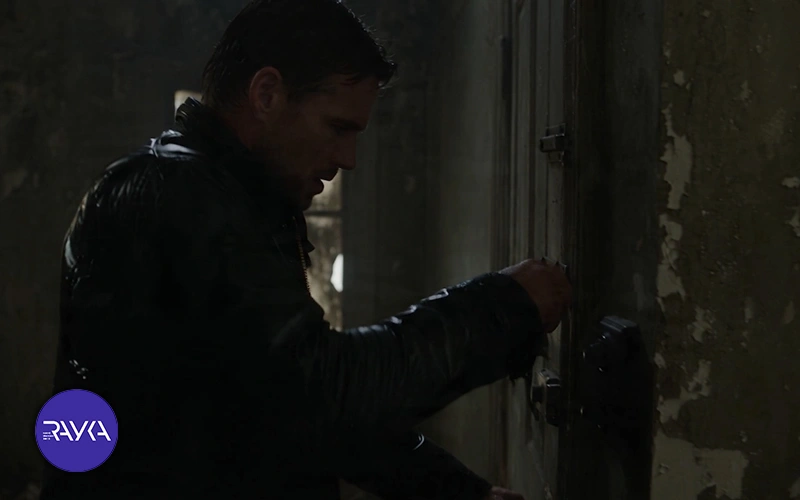
Producing the Chase short film with AI for Raykamah goes far beyond generating a few images or simply converting text into video. In this project, artificial intelligence was integrated with creative processes and human decision-making to transform the initial idea into a cohesive cinematic experience. From developing the concept and designing the visual atmosphere to producing shots, editing, and final refinement, every stage was approached with the goal of maintaining narrative consistency and a unified visual language.
The production process for Chase began with developing the initial concept and defining the film’s overall atmosphere. At this stage, the goal is not simply to tell a story; it is also important to determine the film’s mood, the experience it should create for the audience, and how its visual language will take shape.
Once the core idea is established, the film’s visual direction is developed. Lighting, atmosphere, framing, visual texture, and cinematic style are among the elements that need to be defined before the shots are produced. At this stage, AI makes it possible to quickly explore and test different visual ideas, helping shape the overall look and feel of the project.
The characters and environments required for the project are designed to fit the story and its visual world. One of the advantages of AI filmmaking is the ability to create characters and locations that align with the film’s narrative universe and explore different creative options before final production begins.
During production, visual concepts are transformed into moving shots. For Chase, AI capabilities were used to produce cinematic shots and establish an atmosphere suited to an action film. However, deciding how each shot should be created, which camera angle to use, and how it should connect with the surrounding shots remains an essential part of the directing process.
AI-generated outputs are not, on their own, a finished film. During the editing stage, shots are selected and assembled to establish the intended rhythm, continuity, and visual structure. Editing, sound, visual refinements, and cinematic finishing help transform raw AI-generated material into a more cohesive viewing experience.
At the final stage, every aspect of the project is reviewed for visual consistency, character and environment continuity, shot quality, pacing, movement, and overall visual coherence. Human refinement plays a crucial role at this stage because the goal is not simply to demonstrate the capabilities of an AI tool, but to achieve a result that works both cinematically and narratively.
The Chase experience demonstrates that AI filmmaking is a multi-stage process in which technology works alongside creative vision and human expertise. AI can increase the speed and range of creative experimentation, but directing, shot selection, editing, pacing, visual consistency, and human refinement remain essential elements in creating a professional short film.
In the Chase short film, artificial intelligence plays an important role in the production process, but creative decision-making remains firmly in human hands. From Raykamah’s perspective, using AI does not mean handing the filmmaking process over to a tool. Instead, the technology should serve the idea, the narrative, and the director’s creative vision. What transforms a collection of AI-generated images into a cinematic work is the way those images are selected, directed, and connected.
In this process, the director makes decisions about shot composition, camera angles, movement, pacing, atmosphere, character development, and the direction of the narrative, while using AI to help bring parts of these ideas to life. Even when AI generates a usable result, it is the human eye that determines whether the output fits the film’s atmosphere, what needs to be changed, and how individual shots should work together.
This is precisely why the Chase experience matters to Raykamah. The goal is not simply to showcase the capabilities of a particular tool, but to explore how the power of artificial intelligence can be combined with filmmaking experience, directing, and artistic decision-making. This approach allows us to use AI not as a replacement for the filmmaker, but as a creative tool for expanding the possibilities of cinema.
Ultimately, the quality of a short film does not depend solely on the quality of its generated visuals. Concept, narrative, directing, shot selection, editing, pacing, and visual consistency are the elements that give a work its identity. AI delivers its greatest value when it works alongside these creative and cinematic elements.
Raykamah Advertising Agency specializes in producing cinematic and video content with artificial intelligence, supporting projects from the initial concept and narrative development through visual design, production, and final post-production. Our approach combines the capabilities of AI with directing, art direction, and professional video production expertise, allowing each project to be shaped around its unique goals and identity.
A compelling film begins with a strong idea and a cohesive narrative long before any visuals are produced. Raykamah helps develop the story, narrative structure, and visual direction of a project, turning an initial concept into an executable story designed around its audience.
Storyboards help the production team visualize and evaluate the shots and visual direction of a film before production begins. With AI, storyboard frames can be developed more efficiently, making it easier to explore framing, composition, characters, locations, and the atmosphere of each scene before moving into production.
AI makes it possible to design characters with distinctive appearances and visual identities. Raykamah can create custom characters and personas based on the story or brand identity, while maintaining and developing their visual characteristics throughout the production process.
Some film concepts require environments that can be difficult to build or access through traditional production methods. With AI, realistic, fictional, or entirely cinematic locations can be designed and developed to match the narrative and overall atmosphere of the project.
AI makes it possible to explore and produce a wide range of cinematic shots and situations. Raykamah uses these capabilities to design and produce action-driven, cinematic, and complex sequences, while shot selection, visual direction, pacing, and sequence continuity remain under the control of the project’s creative team.
AI production is not the end of the process. Editing, shot selection and arrangement, pacing, visual refinement, sound design, and final finishing play an essential role in turning raw AI-generated outputs into a cohesive work. During post-production, Raykamah edits and refines the generated material with a cinematic and advertising-oriented approach, preparing the final content for release.
For Raykamah, Chase is more than an action short film; it is part of our ongoing exploration of how artificial intelligence can expand cinematic storytelling and enable new ways of designing and producing complex sequences. In this project, we sought to combine the capabilities of AI with a director’s creative vision and professional visual production processes, taking the result beyond a simple AI-generated video.
Creating this demo gave Raykamah an opportunity to experiment with new possibilities in AI filmmaking, explore greater control over visual language, and examine how AI tools can be integrated with traditional human-driven filmmaking processes. Chase is part of our ongoing journey toward an approach in which technology serves the idea and the story.
Do you have an idea for a short film, feature film, commercial, or a completely different visual story? Your idea does not need to have every detail of a film figured out from the beginning. Sometimes, a simple idea can become the starting point for creating an entirely new cinematic world.
Raykamah Advertising & Film Production Agency combines creative directing, art direction, and artificial intelligence to help you develop your idea and transform it into a cohesive, production-ready visual experience. If you have an idea in mind, it’s time to bring it to life.