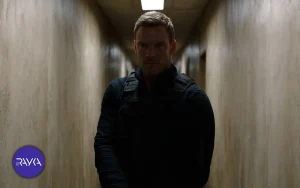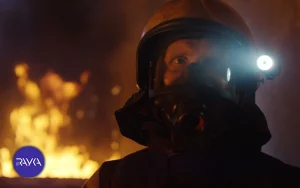

Imagine a world where the line between reality and imagination begins to blur, and technology brings to life images beyond anything we could have imagined. Humanity Last Stand is Raykamah’s exploration of this extraordinary world through the lens of a cinematic sci-fi, post-apocalyptic film.
In this project, advanced robots, devastated cities, futuristic environments, and cinematic visual effects come together to create a distinctive world one that invites audiences to envision the future from a different perspective.
But what makes Humanity Last Stand compelling goes beyond its striking visuals. The project explores the creative potential of artificial intelligence in filmmaking, where artistic vision and emerging technologies meet to open new possibilities for cinematic storytelling. It is part of Raykamah’s ongoing journey to explore the evolving boundaries of AI filmmaking.
Artificial intelligence is opening up new possibilities in filmmaking, allowing filmmakers to move beyond the conventional limitations of visual storytelling and bring to life worlds that were once difficult to imagine, let alone create.
From designing intricate environments and post-apocalyptic landscapes to creating mechanical characters and visually striking cinematic shots, AI technology is making new approaches to film production possible.
Humanity: Last Stand is one of Raykamah’s explorations in this evolving field. The project brings technology and artistic vision together to shape a cinematic world with a distinctive visual identity. It demonstrates how artificial intelligence can expand the boundaries of creativity and open up new possibilities for filmmaking.
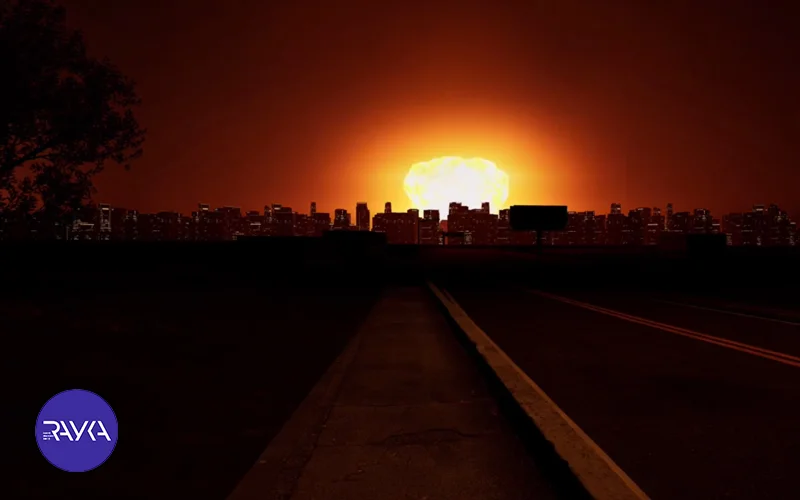
In the world of Humanity: Last Stand, visual design plays a central role in shaping the film’s cinematic atmosphere. From partially destroyed buildings and towering urban structures to mechanical robots and powerful explosions, every element combined with dramatic lighting and cinematic compositions helps bring its post-apocalyptic world to life.
One of the project’s defining creative challenges is balancing intricate visual details while maintaining a cohesive cinematic identity. Each shot is designed to work as part of a larger whole, creating more than just a collection of striking images: together, they form a unified and immersive visual experience.
Throughout the AI filmmaking process, attention to environmental details, robot design, atmosphere, and visual effects offered an opportunity to explore new possibilities in science-fiction imagery. The result is a world where cinematic imagination and technology come together to present a distinctive vision of the future.
Creating a film with artificial intelligence involves much more than using new tools to generate images. It requires a combination of creative ideation, visual design, art direction, and the thoughtful application of technology.
In Humanity: Last Stand, AI capabilities were explored as part of the process of creating a cinematic visual experience. The production approach can be understood through five key stages:
The first step was developing the initial concept and defining the overall atmosphere of the film. Establishing its sci-fi and post-apocalyptic aesthetic, envisioning a futuristic world, and identifying its key visual elements helped shape the project’s visual identity.
At this stage, AI tools were used to create urban environments, damaged buildings, massive structures, and futuristic landscapes. The goal was to develop visually detailed environments that complemented the film’s cinematic atmosphere.
Mechanical robots and advanced technological elements are an important part of Humanity: Last Stand’s visual identity. AI capabilities were used to create these complex elements and develop visual details that fit the film’s futuristic world.
One of the key stages of AI filmmaking is turning still images into moving shots and bringing a sense of motion to each scene. In this project, the generated images and visual elements were developed into cinematic sequences, helping create a more dynamic and cohesive final experience.
In the final stage, the shots were brought together and refined through editing, visual pacing, atmospheric treatment, and cinematic effects. This stage played an important role in creating continuity between sequences and shaping a unified visual experience.
From the first spark of a creative idea to the production of a cinematic project, artificial intelligence is opening up new possibilities for visual storytelling and creating experiences that stand apart.
At Raykamah, we’re ready to help bring your ideas to life through creative visual projects. Whether you’re planning a film, video content, a cinematic production, or looking to explore the use of AI in visual creation, you can submit a consultation request using the form below.
Let’s bring your next idea to life.